Tuna salad is one of those humble dishes that has long had a place in Midwestern kitchens, especially on busy days when supper needed to come together from pantry staples and whatever was cooling in the icebox. It’s convenient, tasty, and filling, but its shelf life can stir up a fair bit of debate. My sister is the sort who makes a great big bowl and happily keeps after it all week, while I start raising an eyebrow after day three.
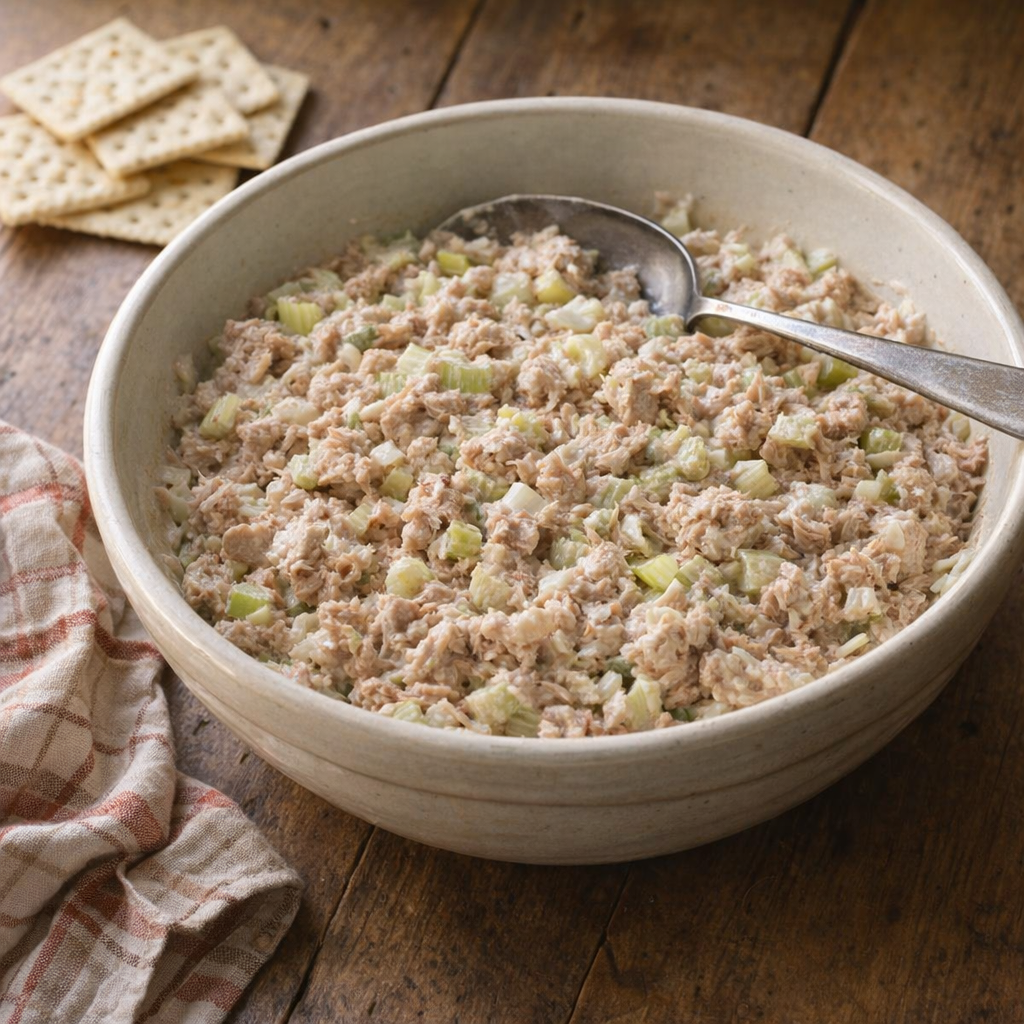
That raises the real question: how long is tuna salad actually safe to eat from the refrigerator? Knowing what affects its shelf life helps us make sensible decisions, waste less, and keep our families safe.
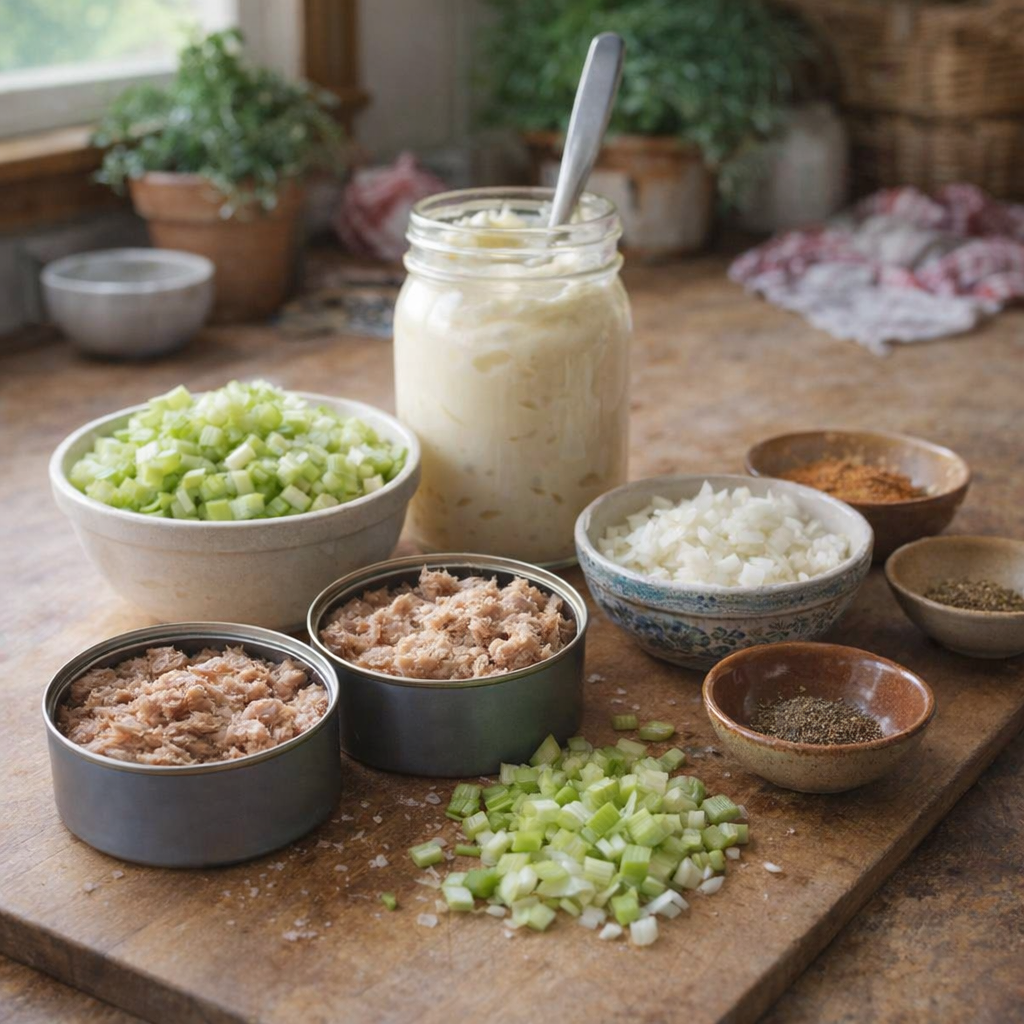
Tuna salad usually starts with canned tuna and mayonnaise, then gets dressed up with celery, onion, relish, mustard, or whatever a family favors. Every ingredient brings something to the bowl, and every one of them has its own storage needs. Once canned tuna is opened, it should be handled like any other perishable food and eaten within a few days.
Mayonnaise, though sturdy enough in the jar, becomes more delicate once mixed into a salad. Fresh vegetables like celery and onions can soften, weep moisture, and lose their pleasant crunch over time. Altogether, these ingredients make a nourishing dish, but also one that does not keep forever.
Food spoilage happens because bacteria, yeasts, and molds grow wherever they find moisture and nourishment, and tuna salad gives them both. Temperature matters a great deal. These organisms multiply fastest between 40°F and 140°F, what food safety folks call the “danger zone.”
Refrigeration slows that growth, but it does not stop it altogether. That is why a cold bowl of tuna salad still has a limit. Even if it looks passable, harmful bacteria may continue multiplying slowly enough that we do not notice until the salad is no longer safe.
To get the best shelf life, tuna salad should be stored in an airtight container in the refrigerator at under 40°F. In most home kitchens, the safest rule is to eat it within 3 to 5 days of making it. That is the range I trust, and it matches what food safety experts commonly recommend.
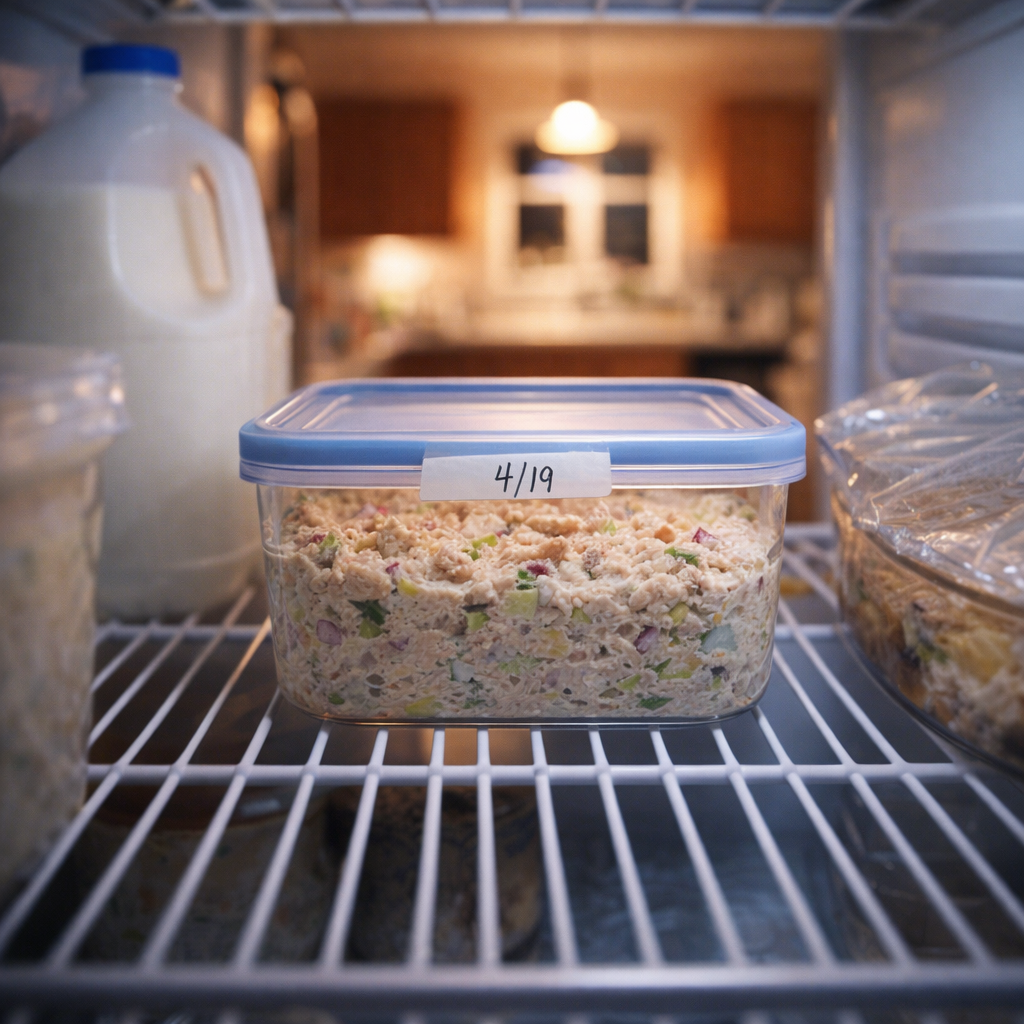
When serving, only take out what you plan to eat right away, then return the rest to the refrigerator promptly. Leaving the bowl out on the counter during lunch or a picnic-style supper can shorten its life in a hurry.
There are a few clear warning signs that tuna salad should be thrown out. A sour smell is often the first clue. Texture changes matter too. If it has turned slimy, watery, or oddly mushy, that is reason enough not to chance it.
For Complete Cooking STEPS Please Head On Over To Next Page Or Open button (>)