Color can tell a story as well. If the salad looks dull, grayish, or otherwise different from when it was freshly made, that is another signal something has gone wrong. In my kitchen, if I have to stand there and wonder, I usually take that as my answer.
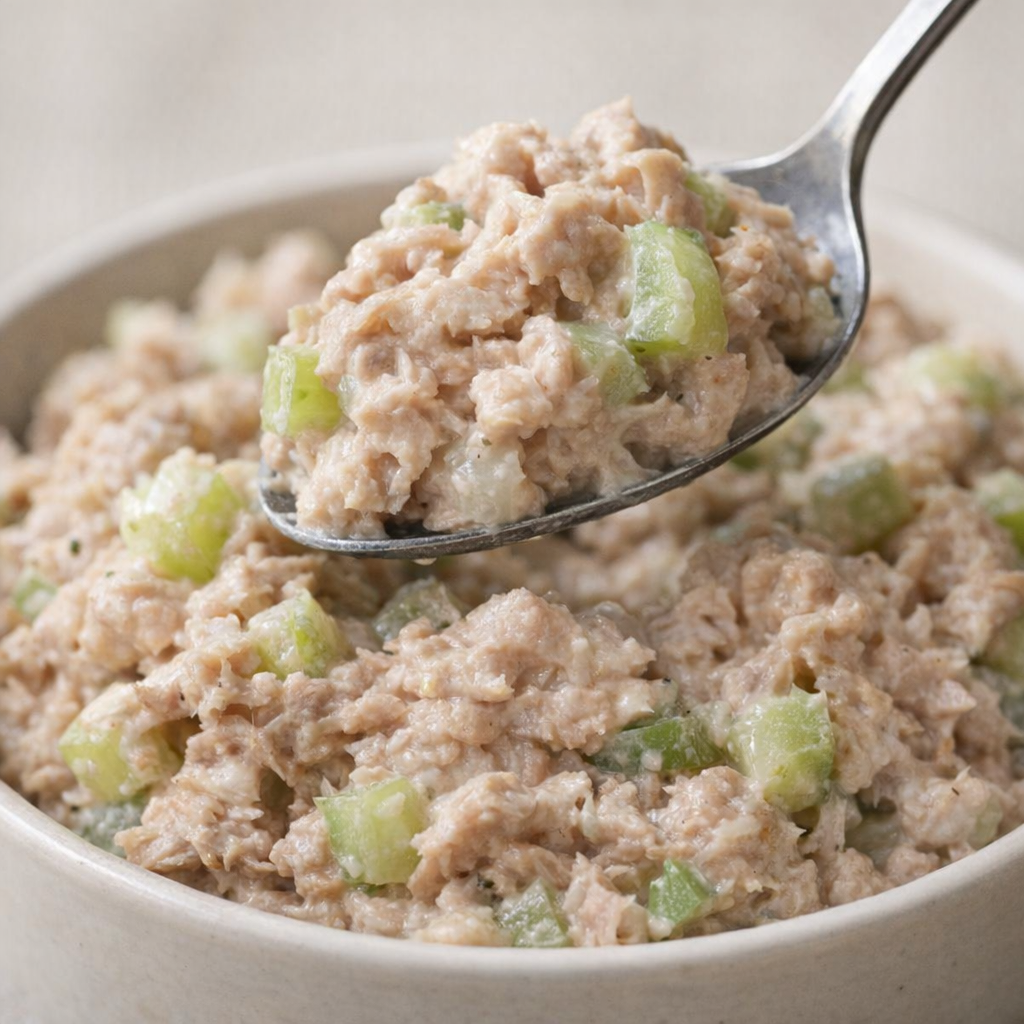
Eating spoiled tuna salad can lead to foodborne illness, and that is no small matter. Symptoms may include nausea, vomiting, diarrhea, stomach cramps, and fever. Sometimes people recover with rest and fluids, but more serious cases can lead to dehydration and medical care.
The risk is especially concerning for young children, older adults, and anyone with a weakened immune system. At my age, I have learned that thrift is a virtue, but not when it asks you to gamble with your health.
Food safety experts generally agree that tuna salad is best eaten within 3 to 5 days when stored properly in the refrigerator. That timeline helps preserve both safety and quality. Beyond that point, the odds of spoilage rise, even if the salad has been kept cold.
Experts also stress the value of good habits: using airtight containers, keeping the refrigerator at a steady temperature, and limiting how long the salad sits out during meals. Those simple steps can make all the difference.
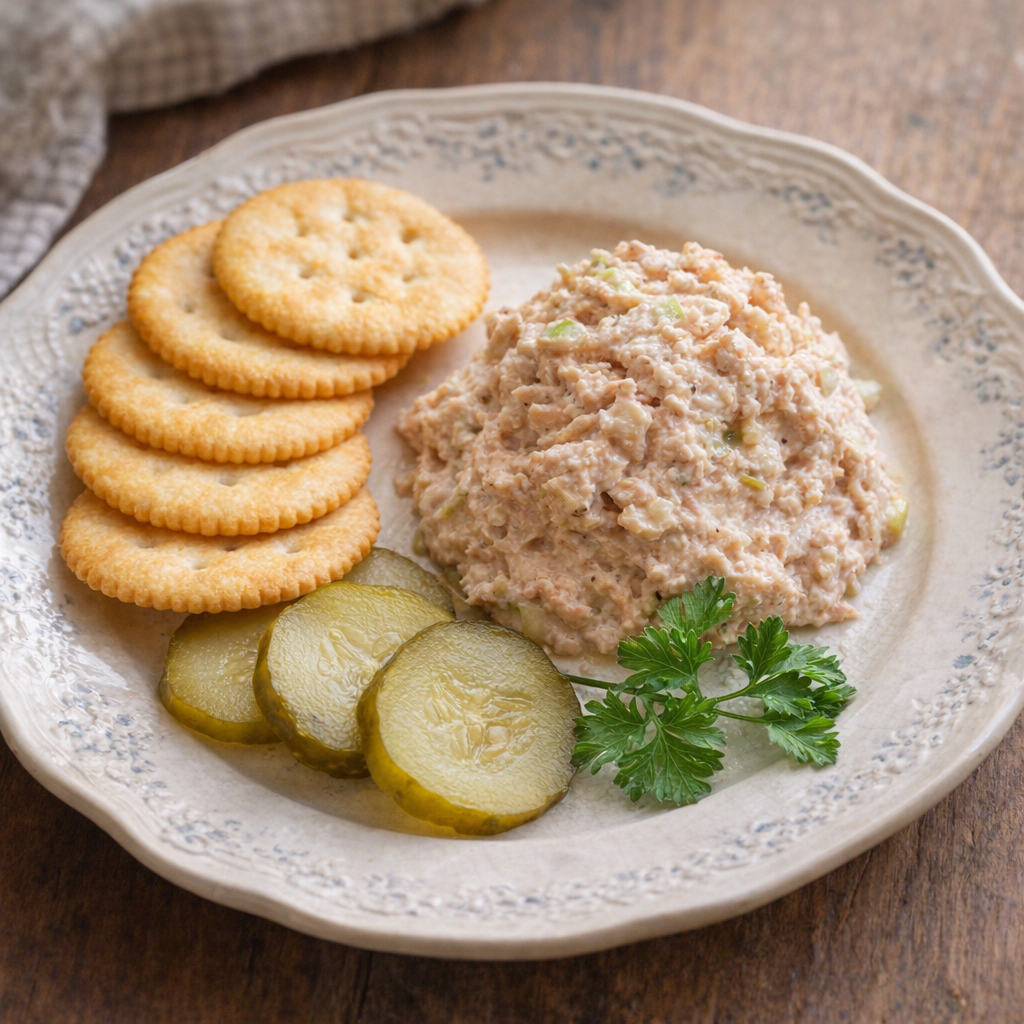
To enjoy tuna salad safely, follow careful storage practices and pay attention to signs of spoilage. If you eat it within 3 to 5 days and keep it properly chilled, you greatly reduce the risk of foodborne illness while still enjoying an easy, satisfying meal.
And when in doubt, trust your senses. That old kitchen wisdom still serves us well. Understanding how tuna salad keeps, and how quickly it can turn, lets you enjoy this familiar favorite with a little more confidence and peace of mind.
For Complete Cooking STEPS Please Head On Over To Next Page Or Open button (>)