Emergency managers advise preparing an evacuation plan and identifying higher ground locations should flooding become imminent.
Strong Winds Could Cause Widespread Damage
In addition to heavy rain, the storm may generate powerful wind gusts capable of causing property damage and power outages.
Strong winds can topple trees, damage roofs, and bring down utility lines. Utility companies are placing crews on standby to respond quickly if outages occur.
Residents are encouraged to inspect their properties and secure loose items such as patio furniture, garbage bins, and outdoor decorations.
Businesses are also reviewing emergency procedures to protect employees and minimize operational disruptions.
Coastal Areas Face Additional Threats
If the storm continues strengthening, coastal communities may face additional hazards, including storm surge, high waves, and coastal flooding.
Storm surge occurs when strong winds push seawater inland, causing water levels to rise above normal tides. This phenomenon can flood roads, homes, and infrastructure in vulnerable coastal areas.
Emergency officials in coastal regions are closely tracking forecast updates and may issue advisories or evacuation recommendations if conditions warrant.
Residents living near shorelines should remain alert and prepared to follow official instructions.
Schools and Businesses Monitoring Conditions
Educational institutions and employers are watching the storm’s progress carefully. Decisions regarding closures or schedule adjustments will likely depend on the storm’s eventual track and intensity.
Many organizations have activated emergency communication plans to keep students, employees, and customers informed.
Remote work arrangements may be implemented if weather conditions create safety concerns for commuters.
School districts are expected to provide regular updates through official communication channels as forecasts become clearer.
Meteorologists Stress Forecast Uncertainty
Although confidence is growing that a significant weather event may occur, meteorologists stress that forecasts can change as new data becomes available.
Storm systems are influenced by numerous atmospheric factors, and small changes can produce major differences in impacts.w
Experts recommend focusing on official forecasts rather than rumors or unverified information circulating online.
Reliable information sources include national weather agencies, local emergency management offices, and trusted news organizations.
“People should avoid panic but remain prepared,” one weather analyst said. “Forecasts will continue to evolve, and the most important thing is staying informed.”
Emergency Services Ready to Respond
Emergency responders are preparing equipment and personnel in anticipation of possible severe weather impacts.
Fire departments, rescue teams, medical services, and public works crews have begun reviewing operational plans. Additional resources may be deployed to areas considered at higher risk.
Coordination among agencies is essential during major weather events, helping ensure a rapid response to emergencies and minimizing disruptions to critical services.
Officials are encouraging residents to report hazards promptly and follow guidance from emergency personnel.
How Residents Can Prepare Now
Experts recommend taking the following steps before the storm arrives:
Monitor weather forecasts regularly.
Charge phones and electronic devices.
Assemble emergency supplies.
Secure outdoor objects.
Review family emergency plans.
Keep vehicles fueled.
Know evacuation routes.
Store important documents safely.
Check on elderly neighbors and vulnerable individuals.
Follow official warnings and advisories.
Preparedness can significantly reduce the risks associated with severe weather and help communities recover more quickly after a storm passes.
Businesses Strengthen Contingency Plans
Companies across potentially affected regions are reviewing business continuity plans. Many organizations learned valuable lessons from previous storms and are applying those experiences to current preparations.
Critical infrastructure operators are paying particular attention to the forecast. Power utilities, telecommunications providers, water systems, and healthcare facilities are all evaluating potential vulnerabilities.
Backup generators, emergency staffing plans, and communication systems are being tested to ensure operational readiness.
Economic analysts note that major storms can have significant financial consequences, especially if transportation networks or supply chains experience prolonged disruptions.
Social Media Plays a Growing Role
As the storm develops, social media platforms are becoming an important source of real-time information. Residents are sharing weather observations, road conditions, and local updates.
However, experts warn that misinformation can spread quickly during emergencies.
Authorities encourage the public to verify information through official channels before acting on reports shared online.
Accurate information can help communities respond effectively, while false reports may create unnecessary confusion and panic.
Looking Ahead
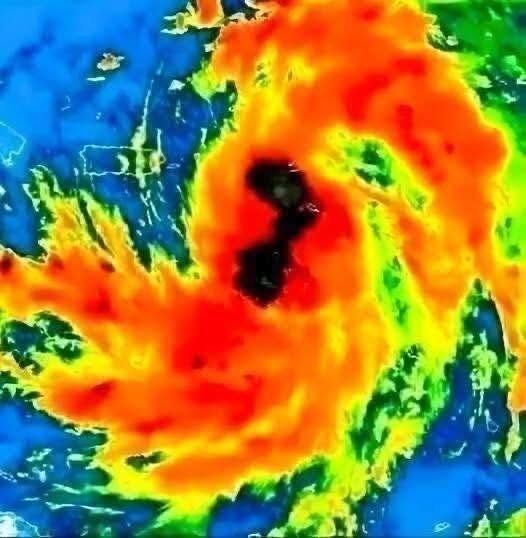
Over the next several days, meteorologists will continue analyzing satellite imagery, radar data, and atmospheric observations to better understand the storm’s evolution.
Forecast confidence is expected to improve as the system develops and moves closer to populated areas.
Residents are urged to remain vigilant, monitor updates, and complete preparedness activities as soon as possible.
While it remains too early to determine the storm’s ultimate strength and exact impacts, experts agree that this is a weather system worth watching closely.
The coming hours will be critical in determining whether the developing disturbance becomes a major storm capable of producing widespread disruptions and dangerous conditions.
For now, emergency officials, meteorologists, and community leaders share a common message: stay informed, prepare early, and take warnings seriously if they are issued.
As the storm continues to organize and strengthen, millions of people may soon find themselves facing one of the most significant weather events of the year. Authorities will provide further updates as new information becomes available, and residents are encouraged to remain alert and ready for changing conditions.
For Complete Cooking STEPS Please Head On Over To Next Page Or Open button (>)